

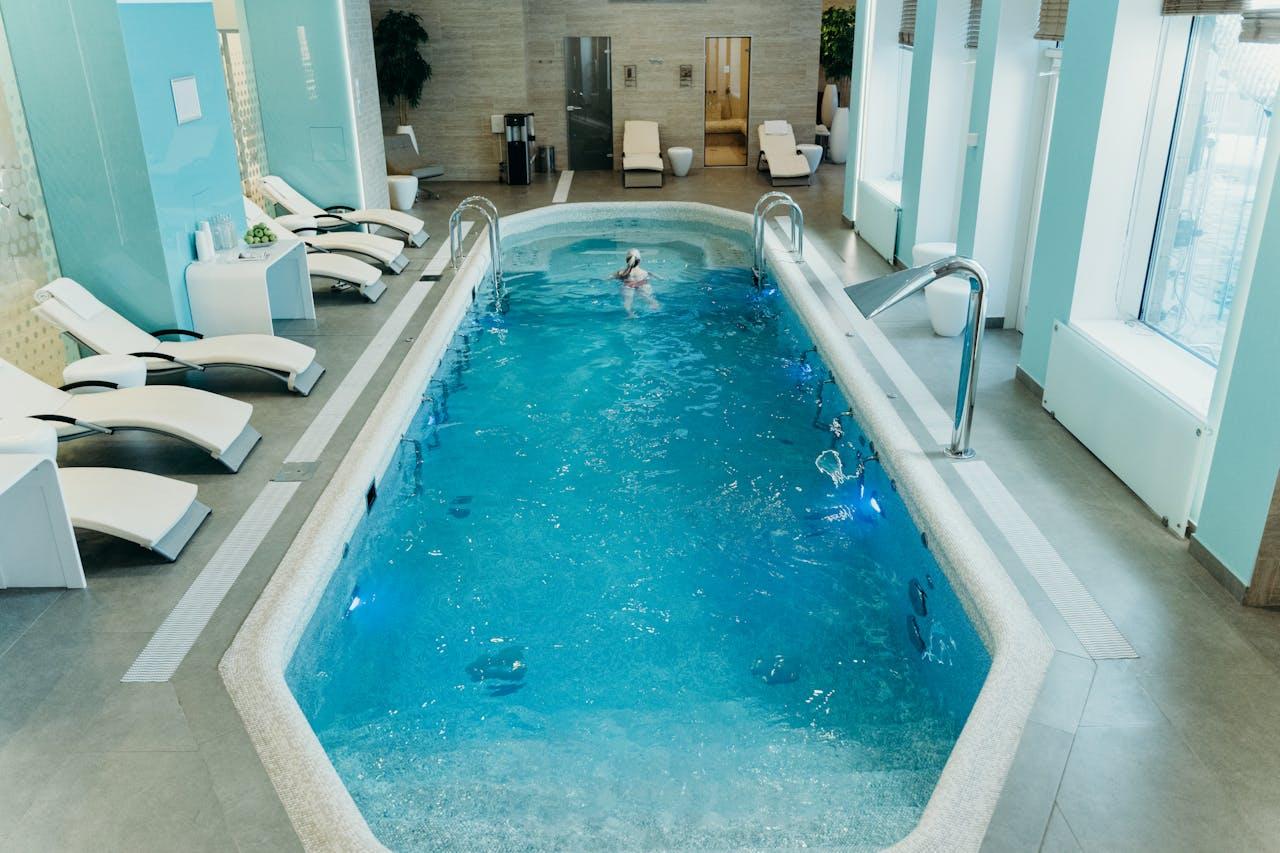
Choosing the perfect poolside furniture is one of the most impactful decisions you’ll make for your outdoor living space. The right pieces transform a bare concrete deck into a resort-worthy retreat, while the wrong choices deteriorate within a season, costing you far more in the long run. Climate, material science, spatial layout, and personal lifestyle all shape what will work for your specific pool environment — and understanding each factor before you spend a dollar is what separates a smart investment from a costly mistake.
Understanding Your Poolside Space and Needs
Before browsing catalogs or clicking “add to cart,” take time to audit your space. Impulse purchases in outdoor furniture almost always result in pieces that are too large, poorly positioned, or simply wrong for how you actually use your pool.
Pre-purchase planning checklist:
- Measure the full perimeter of usable deck space
- Identify sun exposure throughout the day (full sun, partial shade, full shade zones)
- Note prevailing wind direction and intensity
- Check local climate: humidity, salt air, freeze-thaw cycles
- Determine how many people you regularly entertain
Measuring and Layout Planning
Accurate measurement prevents the most common mistake: overcrowding. Follow these steps:
- Measure the total deck area in square feet
- Subtract required clearance zones (minimum 3 feet around pool edges per safety codes)
- Map zones: lounging, dining, shade, and traffic pathways
- Allow 24–30 inches of walking space between furniture pieces
- Use painter’s tape or cardboard cutouts to test layouts before buying
- Account for furniture movement — lounge chairs are frequently repositioned
Identifying Usage Scenarios
How you use the pool dictates what furniture you need. A family with young children has entirely different requirements than a couple who entertains adults on weekends.
Common poolside activities to plan for:
- Sunbathing and lounging
- Outdoor dining and casual snacking
- Cocktail hour and social entertaining
- Children’s water play and poolside supervision
- Reading, working remotely, or relaxing in the shade
Matching Furniture to Lifestyle
| Lifestyle / Need | Best Furniture Type |
|---|---|
| Large families with kids | Durable resin chairs, picnic-style dining tables |
| Frequent adult entertaining | Sectional sofas, bar carts, lounge daybeds |
| Small urban pools | Stackable chairs, foldable bistro sets |
| Luxury resort aesthetic | Teak sunbeds, canopied daybeds, modular sectionals |
| Low-maintenance preference | Aluminum frames, all-weather resin wicker |
Best Materials for Poolside Furniture
Pool environments are uniquely hostile to furniture. Chlorinated splash water, UV radiation, humidity, and temperature swings degrade materials faster than almost any other outdoor setting. According to the American Home Furnishings Alliance, outdoor furniture should be selected specifically for its resistance profile — not just its appearance.
Weather-Resistant Materials Explained
| Material | Durability | Maintenance | Relative Cost |
|---|---|---|---|
| Teak | Excellent (20–50 years) | Occasional oiling | High |
| Powder-coated aluminum | Excellent (rust-proof) | Minimal (wipe down) | Medium |
| HDPE resin wicker | Very good (UV-stabilized) | Low (hose off) | Medium |
| Recycled plastic (HDPE) | Excellent | Very low | Low–Medium |
| Wrought iron | Good (with coating) | High (rust prevention) | Medium |
Teak remains the gold standard — its natural oils repel moisture and resist cracking. Powder-coated aluminum is the most practical choice for most homeowners: lightweight, completely rust-proof, and available in every aesthetic from modern to coastal.
Cushion Fabrics and Quick-Dry Technology
Cushion choice is as important as frame material. Standard indoor foam deteriorates rapidly in pool environments.
Key features to look for in outdoor cushion fabric:
- Solution-dyed acrylic (e.g., Sunbrella®) — colorfast, mold-resistant, fade-resistant
- Quick-dry foam core with open-cell structure allowing water to drain within hours
- Olefin or polyester blends for budget-friendly water resistance
- UV inhibitors rated for 1,000+ hours of sun exposure
- Removable, machine-washable covers with marine-grade zippers
Materials to Avoid Near Pools
Some materials simply cannot survive a pool environment regardless of price point:
- Untreated wood (pine, cedar without sealant) — absorbs water, warps, rots
- Standard steel without powder coating — surface rusts within one season
- Wicker rattan (natural) — deteriorates rapidly in humidity and moisture
- Particle board or MDF bases — swell and crumble when wet
Types of Poolside Furniture You Should Consider
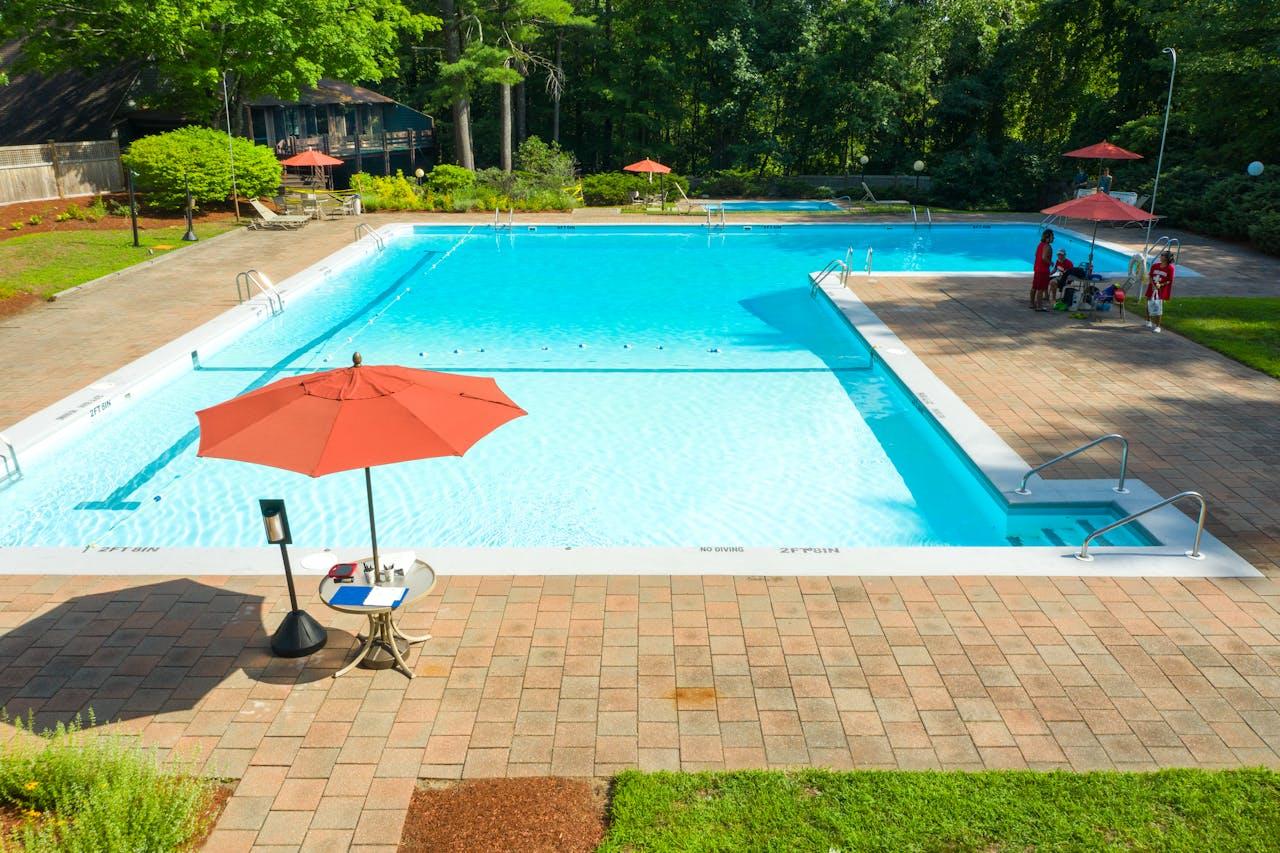
A complete poolside setup typically combines several furniture categories, each serving a distinct function. Thinking through each zone — lounging, dining, shade, and socializing — ensures nothing important is missing.
Lounge Chairs and Sunbeds
The lounge chair is the anchor of any pool deck. Quality matters more here than anywhere else.
Must-have features in a poolside lounge chair:
- Adjustable reclining back (at least 3–5 positions)
- Rust-proof frame (aluminum or HDPE)
- Slatted or mesh seating for water drainage
- Wheel or glide feet to prevent deck scratching
- Weight capacity clearly rated (ideally 300+ lbs)
Outdoor Sofas and Sectionals
Sectional seating creates a social hub separate from the pool edge — ideal for entertaining.
| Seating Type | Pros | Cons |
|---|---|---|
| Modular sectional | Reconfigurable, scalable | Higher cost, heavier |
| Fixed sofa set | Stable, cohesive look | Less flexible layout |
| Conversation set | Compact, affordable | Limited guest capacity |
Dining Sets and Bar Furniture
Poolside dining should be functional without consuming too much precious deck real estate.
Space-saving dining ideas:
- Round tables eliminate unused corners and seat more people per square foot
- Bar-height tables (28–36 inches) double as casual snack stations
- Folding chairs stored on a wall-mounted rack free up floor space
- Built-in benches along fence lines maximize seating without blocking pathways
Umbrellas, Cabanas, and Shade Solutions
Shade is non-negotiable for comfortable all-day pool use and UV protection.
| Shade Option | Coverage | Wind Resistance | Cost Range |
|---|---|---|---|
| Cantilever umbrella | Large, adjustable | Moderate | $150–$800 |
| Market umbrella | Medium, fixed center | Low | $80–$400 |
| Pergola / shade sail | Very large, permanent | High | $500–$5,000+ |
| Retractable awning | Customizable | High | $1,000–$4,000 |
Comfort vs Style: Finding the Right Balance
The most visually striking poolside setup is worthless if guests avoid sitting on it. Aesthetics and ergonomics must coexist.
Ergonomics and Seating Comfort
Ergonomic tips for poolside seating:
- Seat height of 14–18 inches from ground suits most adults for lounging
- Cushion thickness of 4 inches minimum prevents pressure points during extended use
- Lumbar support in chair backs matters for dining chairs used during long meals
- Armrests at elbow height reduce shoulder tension
Design Styles for Poolside Areas
Popular poolside design aesthetics:
- Modern/minimalist — clean lines, neutral tones, aluminum or concrete accents
- Tropical/resort — teak or wicker, lush greens, rattan textures, warm earth tones
- Coastal/nautical — navy, white, rope accents, weathered wood finishes
- Mediterranean — terracotta, mosaic patterns, wrought iron details
Color Schemes and Visual Harmony
| Pool Surround Color | Complementary Furniture Colors |
|---|---|
| White concrete | Charcoal, navy, natural wood |
| Travertine / beige | Cream, terracotta, warm gray |
| Dark slate | Light gray, white, brushed aluminum |
| Natural wood decking | Teak, olive green, rust orange |
Durability and Maintenance Considerations
Cleaning and Care Requirements
General maintenance tips by material:
- Aluminum — wipe with mild soap and water monthly; inspect welds annually
- Teak — clean with teak cleaner twice yearly; apply teak oil once per year
- Resin wicker — rinse with garden hose; use soft brush for crevices
- Cushions — spot clean weekly; machine wash covers monthly during heavy-use season
- Umbrella fabric — hand wash with mild soap; allow to dry fully before closing
Resistance to Sun, Water, and Chemicals
| Material | UV Resistance | Chlorine Resistance | Saltwater Resistance |
|---|---|---|---|
| Powder-coated aluminum | Excellent | Excellent | Very Good |
| Teak | Excellent | Good | Excellent |
| HDPE resin | Very Good | Excellent | Excellent |
| Wrought iron (coated) | Good | Fair | Poor |
| Solution-dyed acrylic | Excellent | Excellent | Excellent |
Storage and Seasonal Protection
- Clean all furniture thoroughly before storage to prevent mold and staining
- Dry completely — never store damp cushions
- Apply protective covers rated for outdoor storage
- Store cushions indoors or in a weatherproof deck box
- Stack chairs and secure with straps to prevent wind movement in covered areas
- Inspect frames for cracking, rust spots, or loose joints each spring before use
Budgeting for Poolside Furniture
Entry-Level vs Premium Furniture
| Tier | Price Range | Materials | Lifespan |
|---|---|---|---|
| Entry-level | $200–$800 (full set) | Powder-coated steel, basic resin | 2–5 years |
| Mid-range | $800–$3,000 | Aluminum, HDPE wicker, acrylic | 7–15 years |
| Premium | $3,000–$10,000+ | Teak, marine-grade aluminum, Sunbrella | 15–50 years |
Cost-Saving Tips Without Sacrificing Quality
- Buy off-season — outdoor furniture prices drop 30–50% in September–February
- Purchase frames and cushions separately to mix quality levels strategically
- Choose stackable or foldable designs that require less storage and resist damage
- Prioritize quality on lounge chairs (used most) and economize on accent pieces
- Look for commercial-grade restaurant surplus — built for heavy use at competitive prices
When to Invest More
- Lounge chairs and sunbeds — daily contact makes comfort and durability paramount
- Main dining table — structural integrity under weight and weather is critical
- Primary shade structure — cheap umbrellas fail in wind and become safety hazards
- Cushions — quality outdoor fabric pays for itself in 2–3 seasons versus replacements
Safety and Practical Features to Look For
Slip-Resistant and Stable Designs
Pool-area safety features to verify before purchasing:
- Non-tip base geometry — wide-set legs on chairs used near water
- Rubber or non-slip foot caps on all legs touching wet surfaces
- Weighted umbrella bases rated for local average wind speeds
- No sharp edges or exposed metal fasteners at child head height
Child-Friendly and Pet-Safe Options
- Rounded corners on all table edges (radius of ¼ inch or more)
- Pet-safe fabric with scratch resistance and moisture wicking
- Avoid glass tabletops — tempered glass still shatters dangerously near pools
- Choose fabrics free from harmful dyes or chemical treatments
Lightweight vs Heavy Furniture
| Factor | Lightweight (Aluminum/Resin) | Heavy (Teak/Wrought Iron) |
|---|---|---|
| Repositioning ease | Easy — move daily | Difficult — rarely moved |
| Wind stability | Lower — may tip | High — stays put |
| Storage | Simple | Difficult |
| Best for | Small decks, frequent rearranging | Large permanent setups |
Common Mistakes to Avoid When Choosing Poolside Furniture
Even experienced buyers fall into predictable traps. Avoiding these saves significant money and frustration.
- Skipping material research — buying purely on aesthetics without checking UV and moisture ratings
- Ignoring scale — choosing furniture that’s too large for the deck, creating a cluttered feel
- Underestimating cushion quality — cheap cushions deteriorate within one season
- Forgetting shade — designing beautiful seating that nobody uses because it’s too sunny
- Not testing comfort before buying — always sit in chairs before purchasing when possible
Ignoring Climate Conditions
Climate-specific tips:
- High humidity/tropical — prioritize mold-resistant fabrics and rust-proof frames
- Desert/intense UV — solution-dyed acrylic is non-negotiable to prevent fading
- Coastal/salt air — avoid iron entirely; use marine-grade aluminum or teak
- Cold climates — plan storage for 4–6 months annually; factor in storage space costs
Overcrowding the Pool Area
Spacing checklist:
- Minimum 4 feet clearance on all sides of the pool edge
- At least 3 feet between furniture groupings for comfortable movement
- Lounge chairs should not extend over pool coping
- Dining areas need 24 inches of clearance behind each chair for pulling out
Choosing Style Over Function
Warning signs you’re prioritizing aesthetics over usability:
- Choosing cushion colors that show every water drop or sunscreen mark
- Selecting heavy ornamental furniture with no plan for winter storage
- Buying furniture that requires weekly maintenance you realistically won’t do
- Ignoring comfort to match a “look” — guests will simply stop sitting on it
Conclusion
Choosing the perfect poolside furniture is ultimately an exercise in knowing yourself — your climate, your lifestyle, your budget, and your tolerance for maintenance. The most successful outdoor spaces balance durable materials that survive pool chemistry and weather, ergonomic comfort that keeps guests relaxed for hours, and design coherence that makes the space visually satisfying. Invest heavily where you’ll spend the most time (lounge chairs, primary shade), be strategic about cost-saving on secondary pieces, and always read material specifications before buying. Done right, a well-chosen poolside setup pays dividends in enjoyment for a decade or more.